
I’m a dedicated Full-Stack Developer passionate about transforming complex ideas into impactful digital solutions. With a focus on MERN Stack, Laravel, and WordPress, I’ve collaborated with global clients to deliver tailored, results-driven projects.
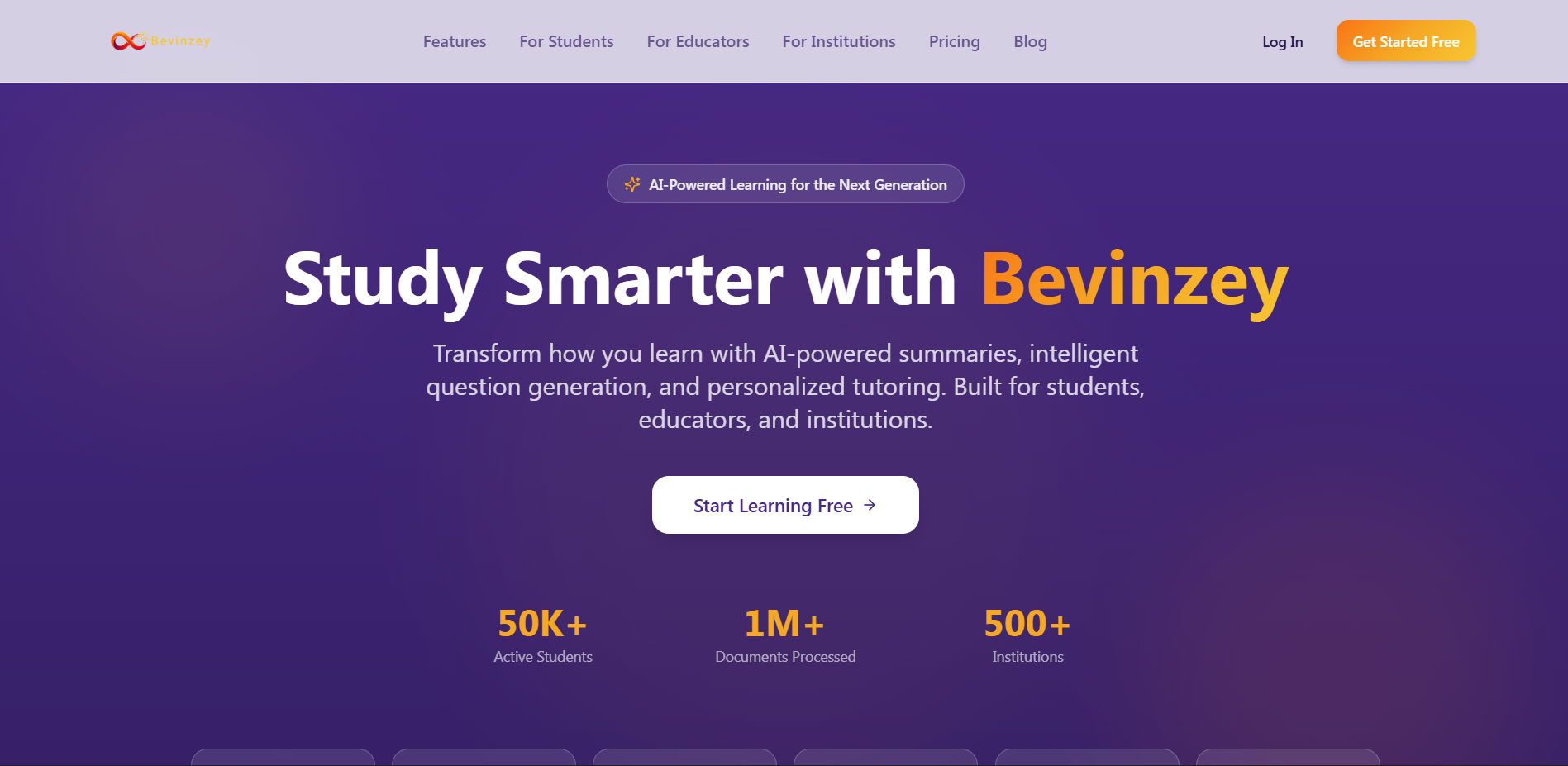
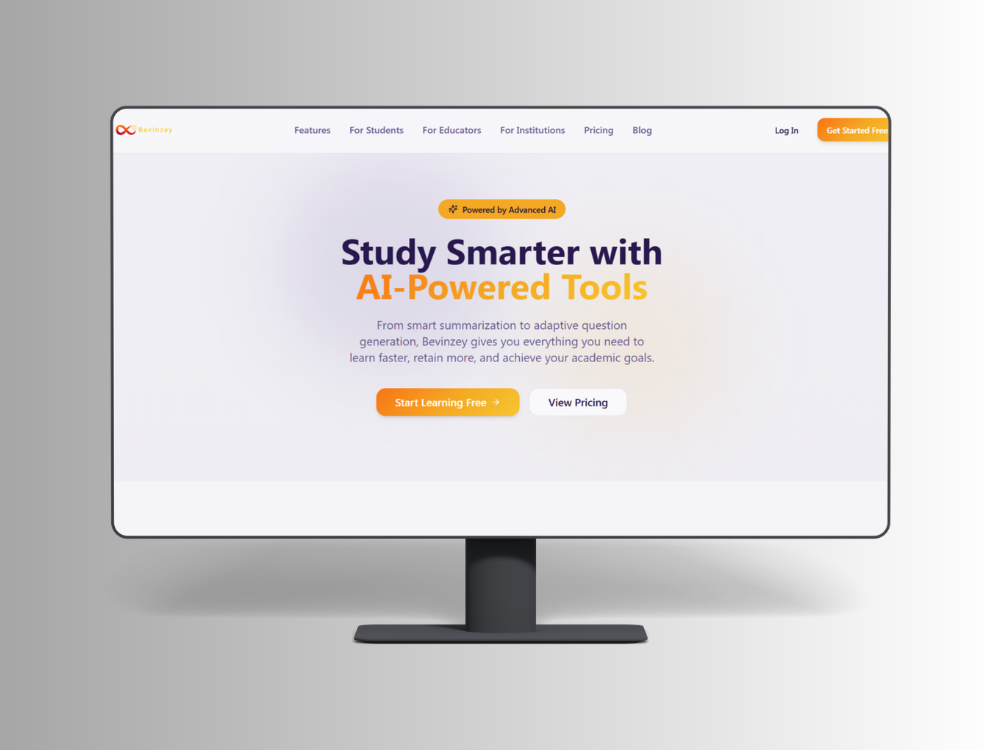
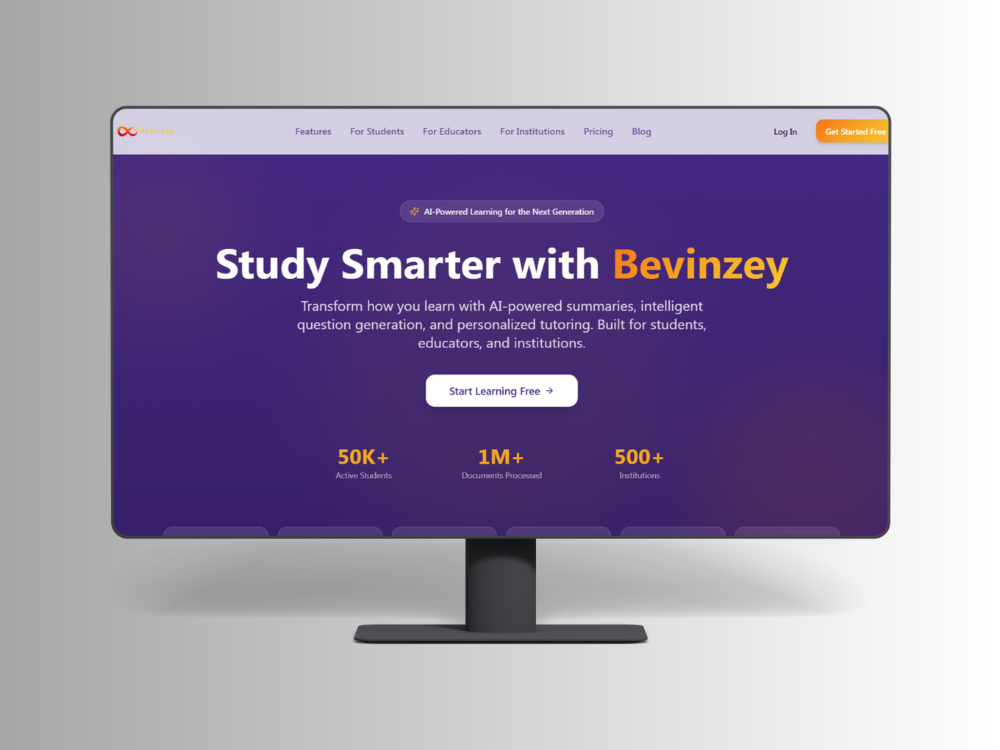
As a Full-Stack JavaScript Developer, I contributed to the development of Bevinzey, an AI-driven educational platform designed to simplify the learning process for students and educators. The platform focuses on intelligent content processing, allowing users to convert complex study material into summarized notes, automatically generated questions, and structured study guides.
The application was built using React for the frontend and NestJS for the backend, creating a highly responsive and scalable architecture. Modern JavaScript frameworks enabled a seamless and interactive learning environment where users can quickly transform educational content into quizzes and learning materials. AI-based tools analyze uploaded or entered text and generate meaningful insights that help learners understand topics faster and more effectively.
The frontend of the platform was designed using React to create a smooth and interactive user experience. The interface allows users to input or upload study material and instantly receive AI-generated summaries, quizzes, and structured study notes. Component-based architecture made it easier to manage complex UI elements while keeping the application maintainable and scalable.
Modern JavaScript techniques enabled dynamic content updates without page reloads, allowing students to interact with the AI tools in real time. Responsive layouts ensure accessibility across desktops, tablets, and mobile devices. The design focuses on clarity and usability so that learners can concentrate on studying rather than navigating complicated interfaces.
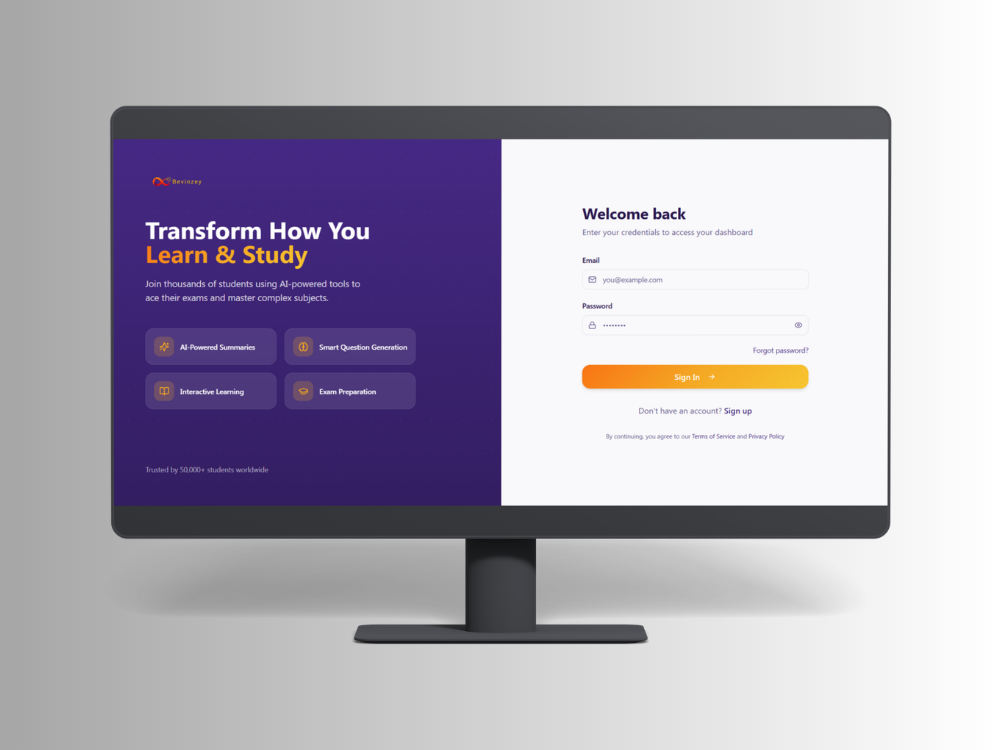
The backend infrastructure is powered by NestJS, a scalable Node.js framework designed for enterprise-level applications. It handles authentication, data management, AI integration, and API communication between the frontend and backend systems. The structured modular architecture ensures maintainability and future scalability as the platform grows.
Secure REST APIs manage requests for summarization, question generation, and study guide creation. Efficient data handling ensures that the platform processes large text inputs quickly while maintaining reliable performance. The backend also supports user account management, allowing students and educators to store and revisit generated study materials.
Performance was a critical focus to ensure the platform delivers instant results when processing educational content. Efficient API communication, optimized JavaScript execution, and modular backend services allow the system to handle multiple users simultaneously.
Frontend optimization techniques such as lazy loading and efficient component rendering improved responsiveness, while backend caching strategies helped reduce processing delays. These improvements ensured that AI-generated summaries and quizzes are delivered quickly, providing a smooth user experience for learners.
The platform’s core innovation lies in its AI-powered learning tools. By analyzing educational content, the system automatically generates concise summaries, relevant questions, and structured study materials. This allows students to quickly understand complex subjects without manually preparing study guides.
Educators can also use the platform to create quizzes and teaching materials from existing content, making lesson preparation faster and more efficient. The integration of AI significantly enhances the learning workflow by transforming static text into interactive educational resources.
The development process followed an iterative workflow with continuous testing and feedback cycles. Regular updates ensured that both frontend functionality and backend services remained stable while new AI features were introduced. Version control and structured development practices supported efficient collaboration and feature expansion.
Extensive testing across browsers and devices ensured compatibility and reliability for users worldwide. The result is a modern educational platform designed to make studying more efficient through the power of AI and scalable web technologies.